Science and solidarity: BirdLife International at CMS COP15
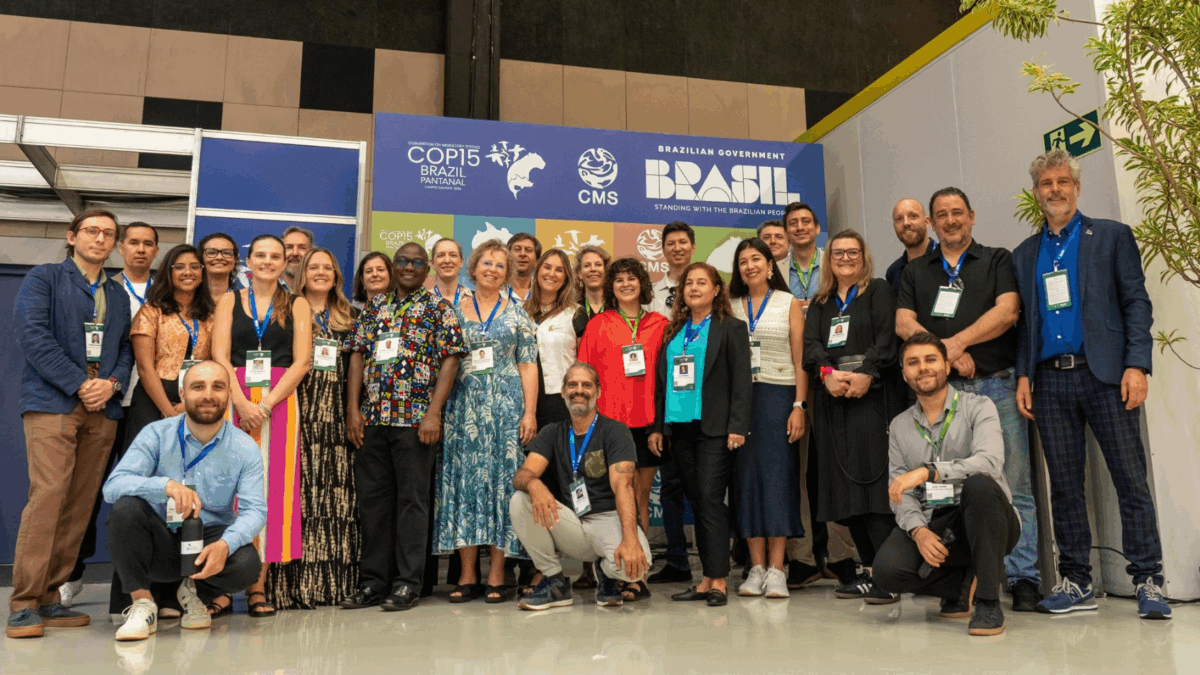
As the 15th Conference of the Parties to the Convention on Migratory Species (CMS COP15) took place last month in Campo Grande, Brazil, the conservation community is now reflecting on a week defined by rigorous science and collaborative action.
One of the summit’s themes was the Illegal Killing, Taking, and Trade of Birds (IKB), which featured as both a standalone agenda item and a critical cross-cutting priority for global biodiversity.
BirdLife International and its partners arrived with a robust scientific toolkit, presenting three pivotal studies aimed at bridging the gap between field data and international policy:
- Impacts of Take and Trade of Migratory Birds for Consumption in Africa-Eurasia
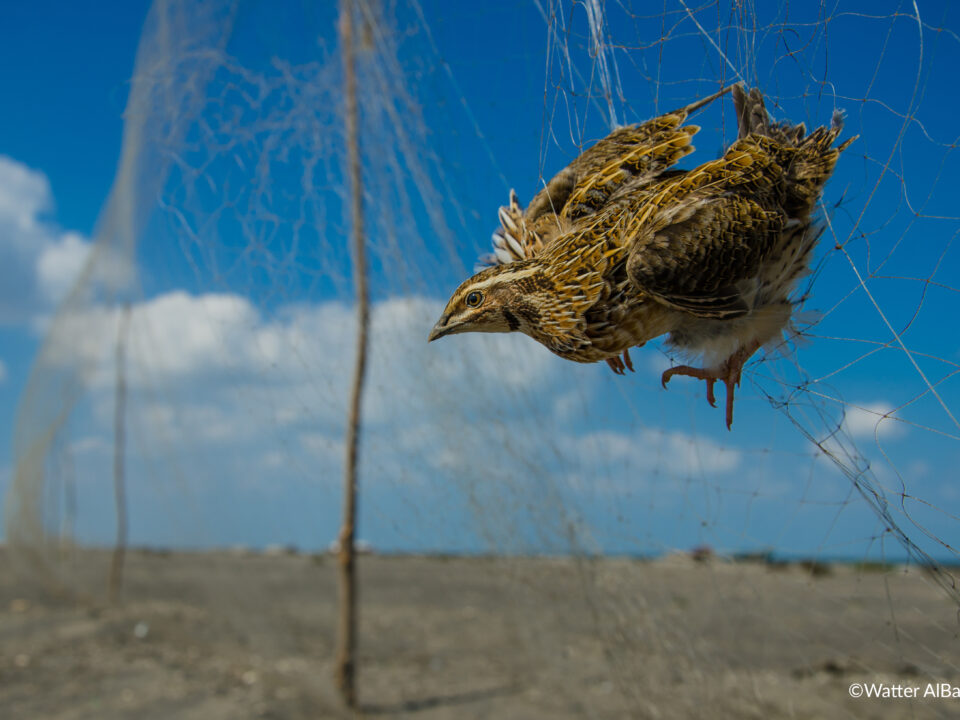
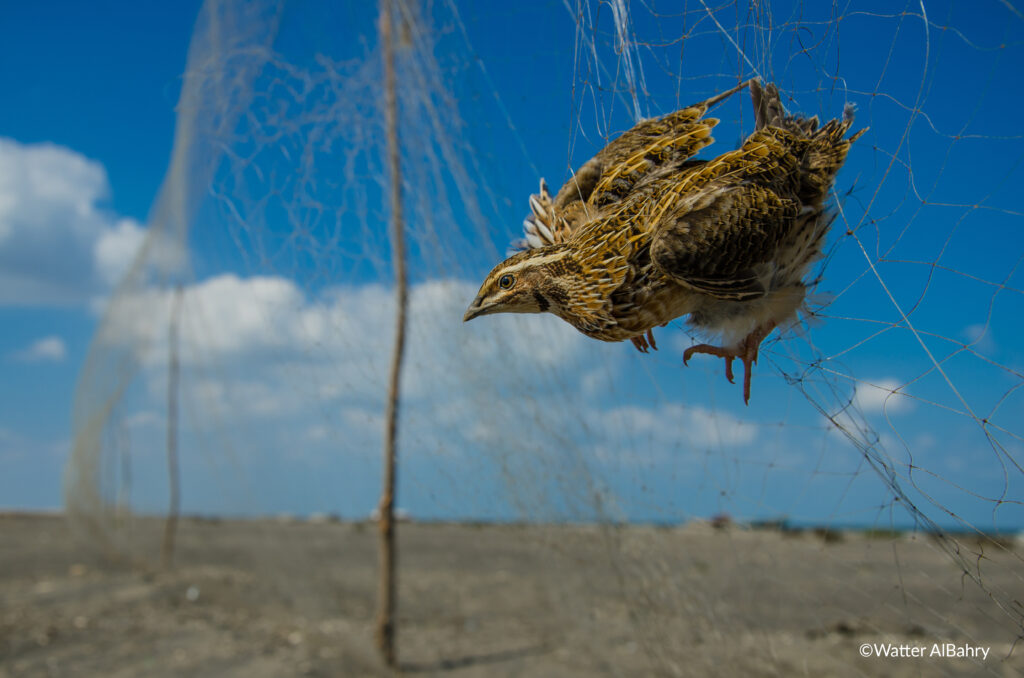
- Assessing the Use and Impact of Nets on Wild Bird Populations in Asia and the Mediterranean
- Towards a Better Understanding of the Drivers and Motivations Behind Illegal Killing, Taking and Trade of Birds in the Mediterranean Region
In addition,the conference saw the launch of a new case study on illegal wildlife poisoning. Developed by the IUCN SSC Human-Wildlife Conflict & Coexistence Specialist Group in partnership with FAO and the Vulture Conservation Foundation, this work, in the framework of the BalkanDetox LIFE project, underscores a grim reality: illegal poisoning remains a pervasive threat across the Balkan Peninsula, pushing vultures and other scavengers to the brink.
As government delegates depart Brazil, the contribution of science-based NGOs remains the backbone of the resulting policy frameworks. By bringing localized data from the Balkans to the Mediterranean to a global stage, BirdLife and its partners have ensured that the future of migratory bird conservation is informed by reality, not just rhetoric.
The conclusion of COP15 marks the beginning of the implementation phase, where these studies will serve as the blueprint for protecting the world’s most vulnerable travelers.