Common Quail
Category: Galliformes
Wingspan: 32-35 cm
Top speed: 60 km/h
Conservation Status: Data deficient
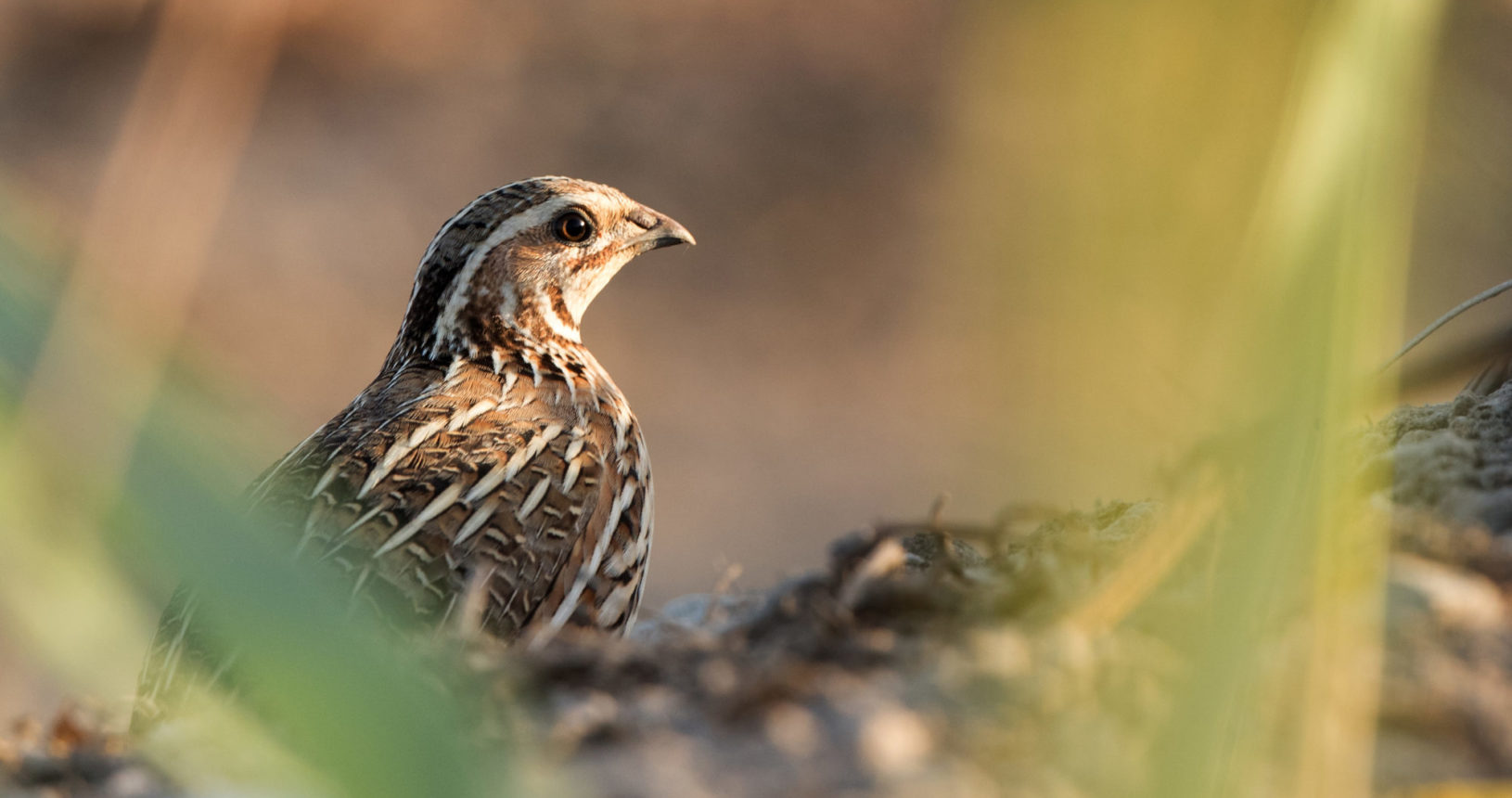
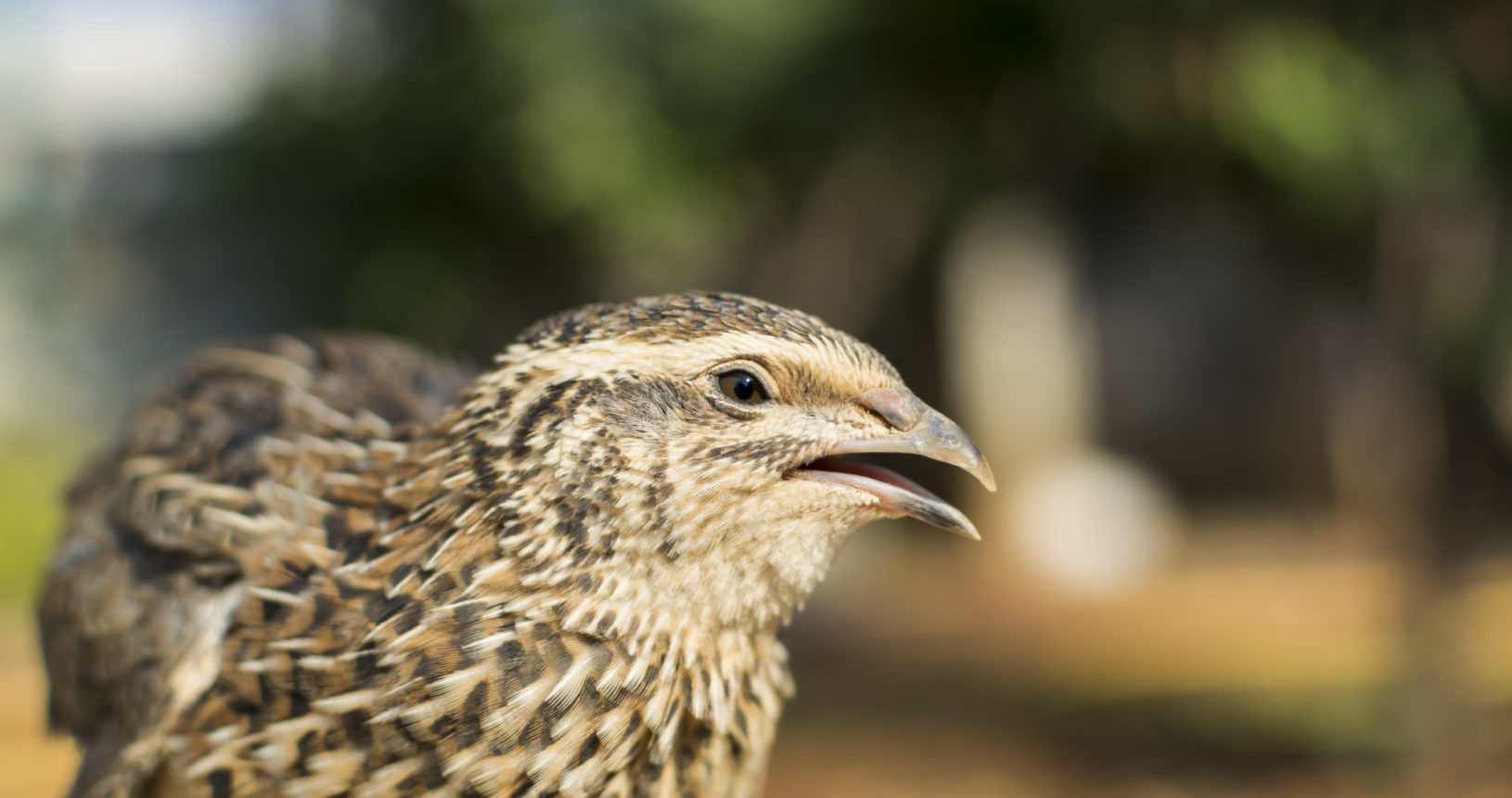
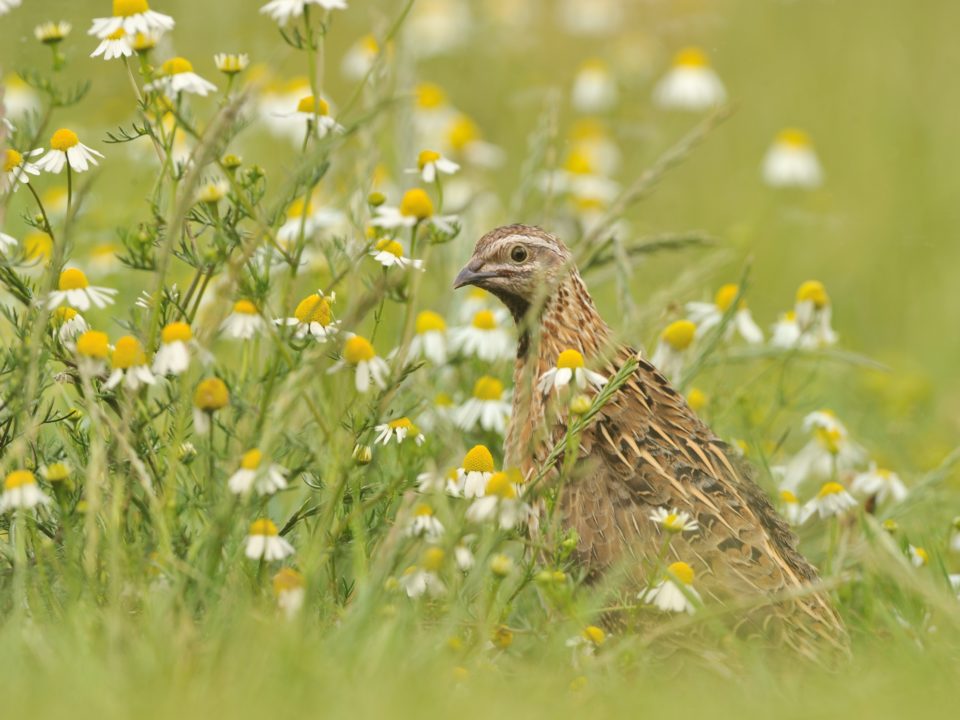
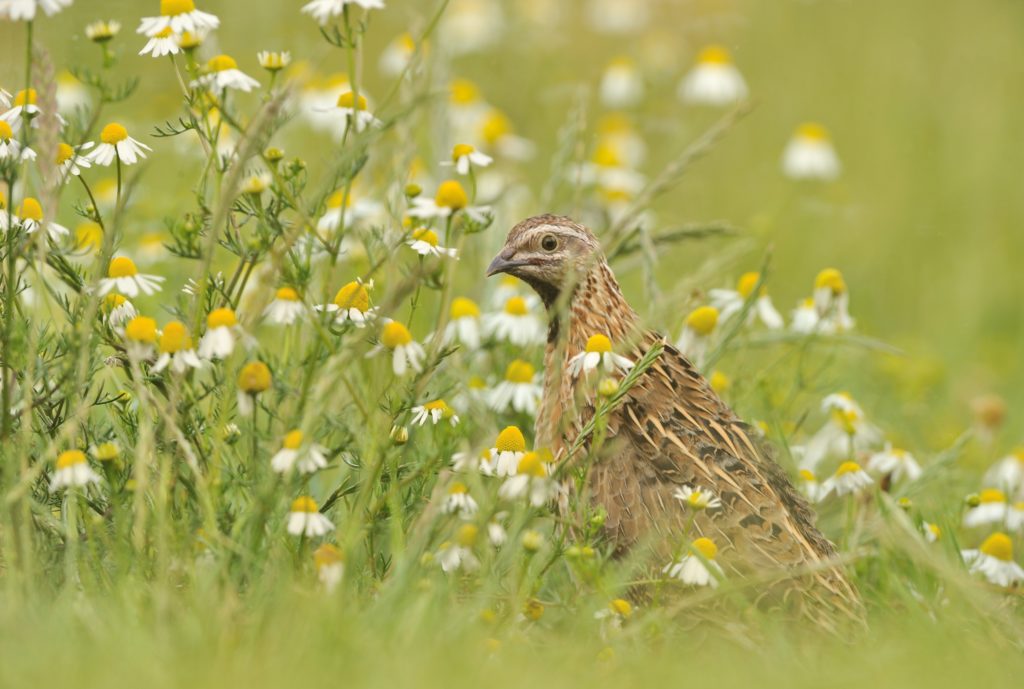
Many keen birdwatchers have never caught a glimpse of the shy and elusive Common Quail in flight. More often heard than seen, it keeps its small, round body well-hidden amongst farmland crops and grasses.
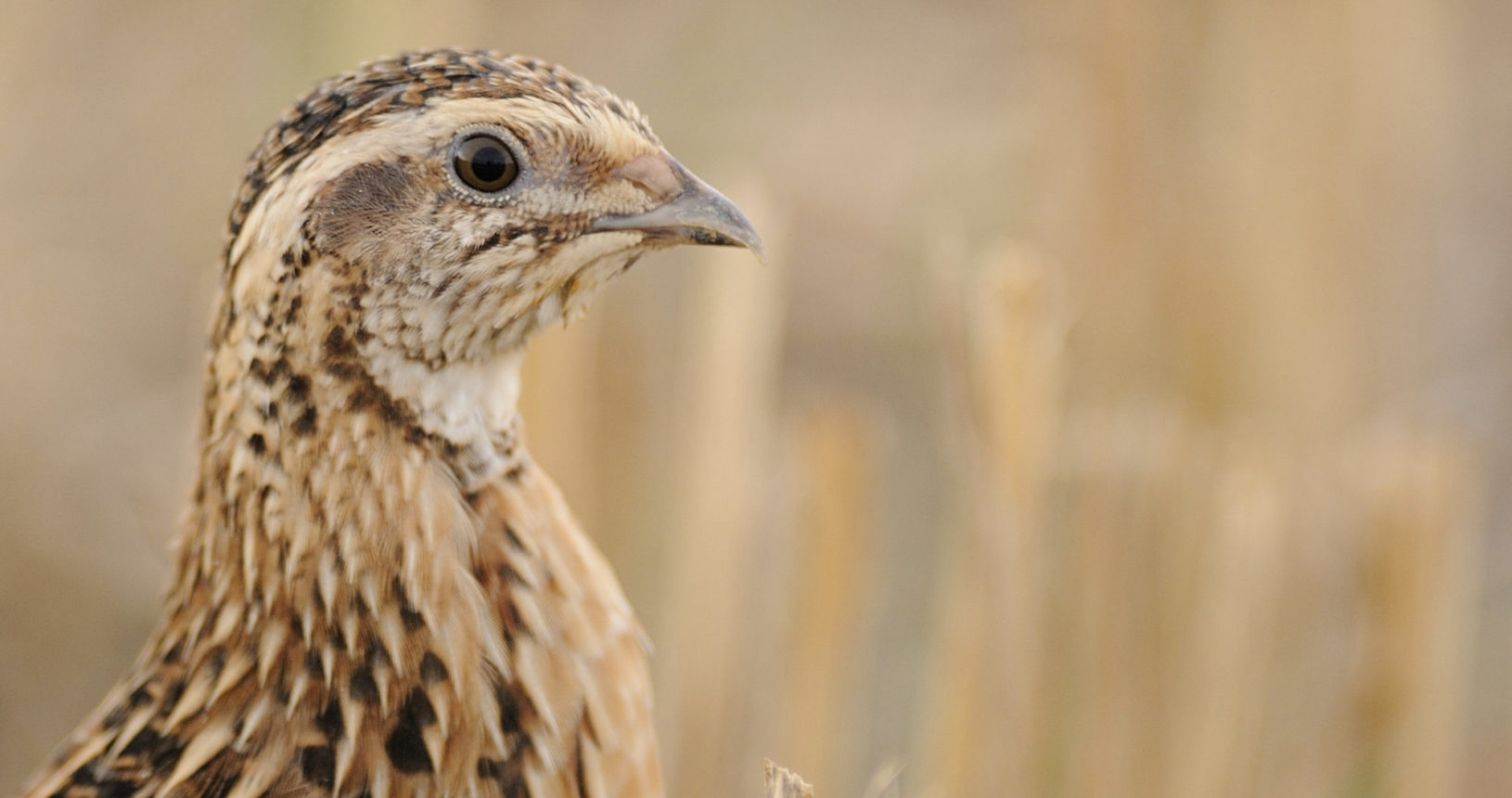
Up close, it has a distinctive streaky brown appearance with a thick white stripe along its eyes. Given its tendency to creep away from danger rather than fly, many would be surprised to discover that this bird migrates over huge distances.
Uncommonly for a member of the pheasant family, the Common Quail has long powerful wings capable of making the migratory journey between northern Europe and the Sahel belt in sub-Saharan Africa. Those following the eastern flyway must cross the Mediterranean – a region where it has been traditionally hunted for food for thousands of years.
While many countries have laws limiting the numbers that can be legally caught, they are poorly enforced. The industrial scale trapping now taking place is driving the species into decline.
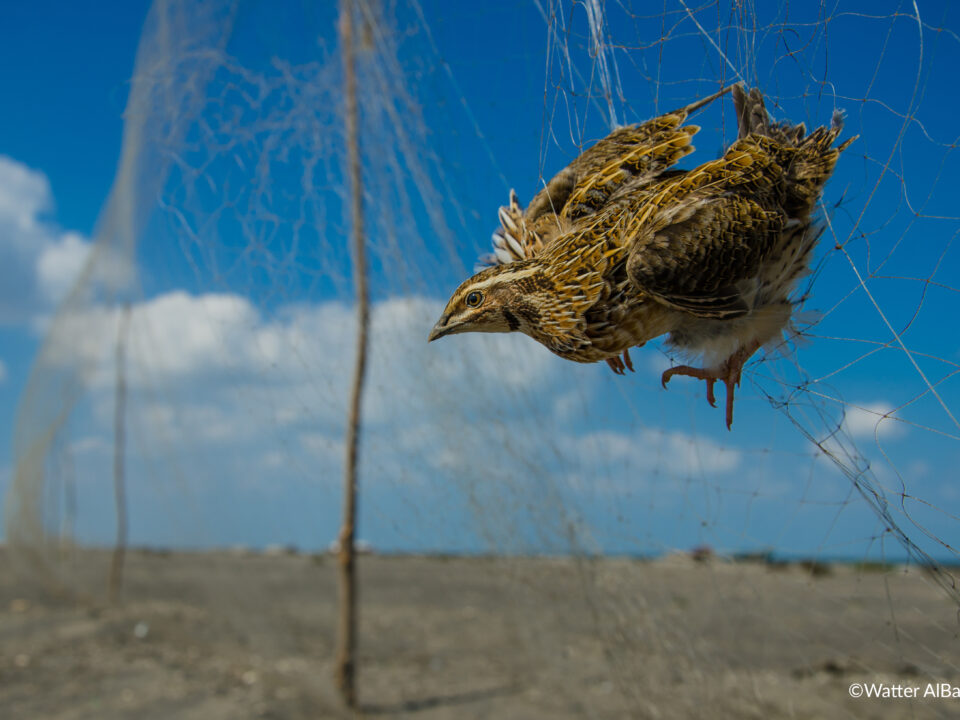
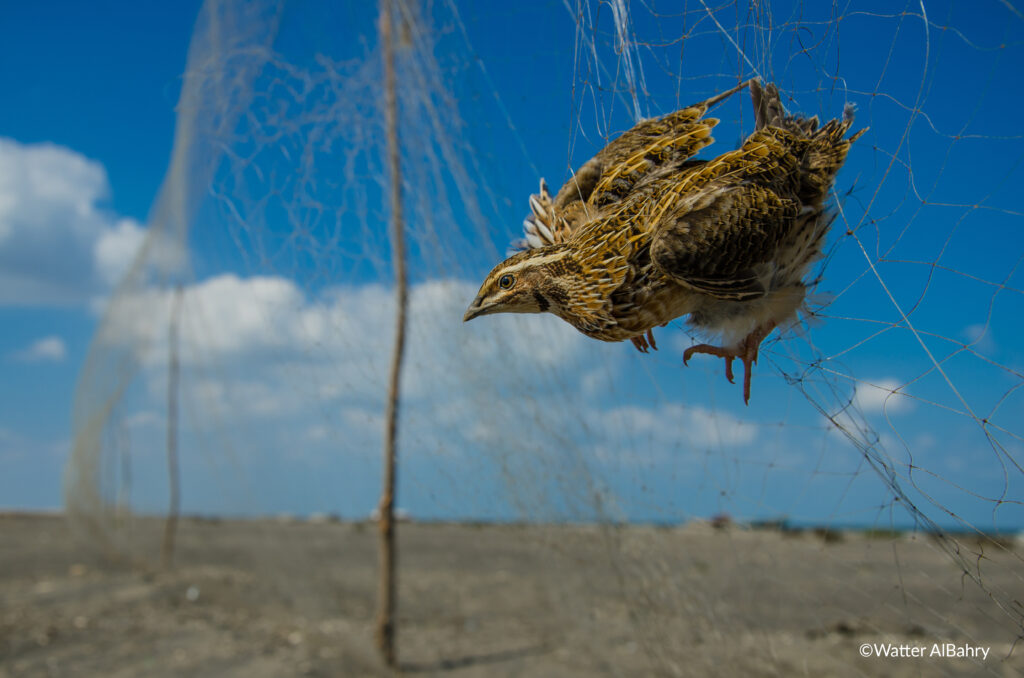
In Egypt, quail have historically been an important local food source. But in recent years, electronic bird sound callers are being used at trapping sites on busy migratory routes, such as Lake Burullus, to lure huge numbers of quail into immense nets, sometimes stretching hundreds of kilometres. Every year, millions of other birds, including protected or endangered species, are also caught in these nets.
For more information on the legislation covering this species, as well as maps and research, check out: http://datazone.birdlife.org/species/factsheet/common-quail-coturnix-coturnix
Threats
- Trapping