Sharing the responsibility
Many migratory waterbirds and game bird species travel across dozens of countries during their annual cycle. Birds that breed in northern Europe may winter in the Mediterranean or Africa, relying on healthy habitats and sustainable management all along the way.
This means that conservation success depends on cooperation. If some countries reduce pressure on declining populations while others continue unsustainable practices, recovery efforts across the entire flyway will fail.
How the EU recovery process works
Several declining bird species have been hunted traditionally for centuries, but habitat loss, wetland degradation, pollution, climate change, and changing agricultural practices are the major drivers. While hunting is often not the primary cause of decline, in depleted populations, even small additional mortality can prevent recovery. Reducing avoidable harvest is an essential short-term measure while habitat restoration takes effect. Recovery is also a legal obligation: under Article 7 of the EU Birds Directive, hunting of listed species must be sustainable and may not jeopardise conservation efforts across their range.
At the centre of this effort is the European Commission’s Task Force on the Recovery of Birds (TFRB), which brings together EU countries, scientists, and stakeholders to coordinate conservation measures for declining migratory game bird species. One of its main tools is Adaptive Harvest Management which combines population monitoring, demographic modelling, and harvest data to assess whether current hunting pressure is compatible with population recovery. Where models show populations cannot recover under current mortality levels, the Task Force can recommend harvest reductions, temporary hunting moratoria, improved monitoring, and habitat restoration measures.
The European Turtle-dove: proof that recovery is possible
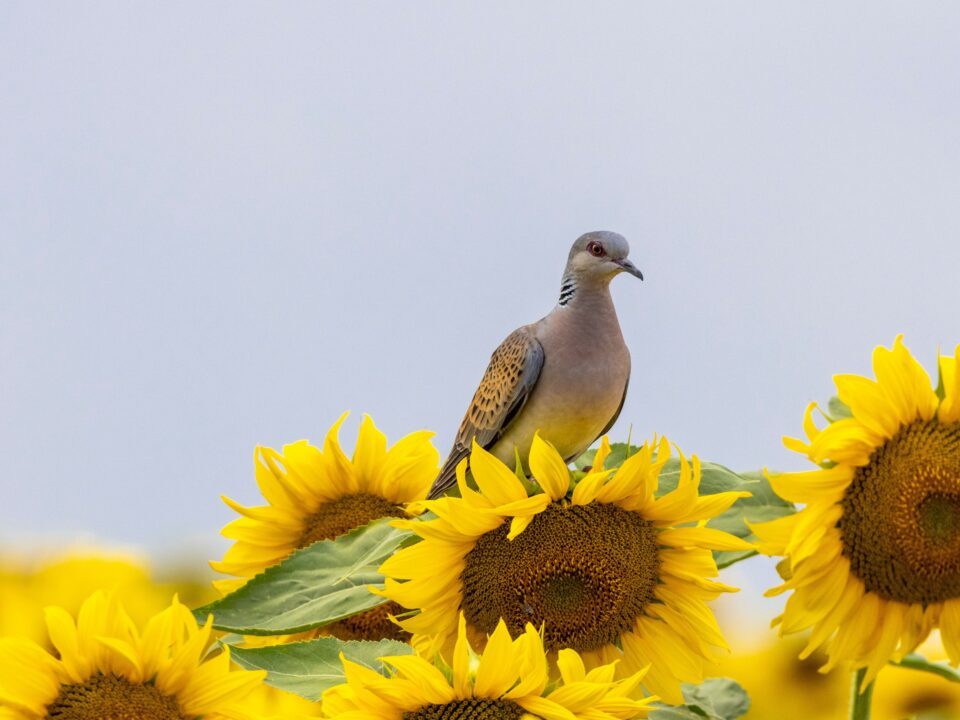
The European Turtle-dove (Streptopelia turtur) became the first major test case for adaptive harvest management in Europe. Following severe population declines, coordinated measures were introduced to reduce hunting pressure and improve monitoring.
Recent signs of stabilisation and recovery along parts of its Western flyway – where a four-year hunting moratorium was implemented – show that coordinated flyway management can work when EU countries work together. The species remains in a depleted state, but there is genuine reason for optimism.
Sadly, on the Central-Eastern flyway, Turtle-dove populations have not yet shown signs of recovery. Unsurprisingly, most EU countries on that flyway do not implement the scientific recommendations.
The Common Pochard needs support to recover
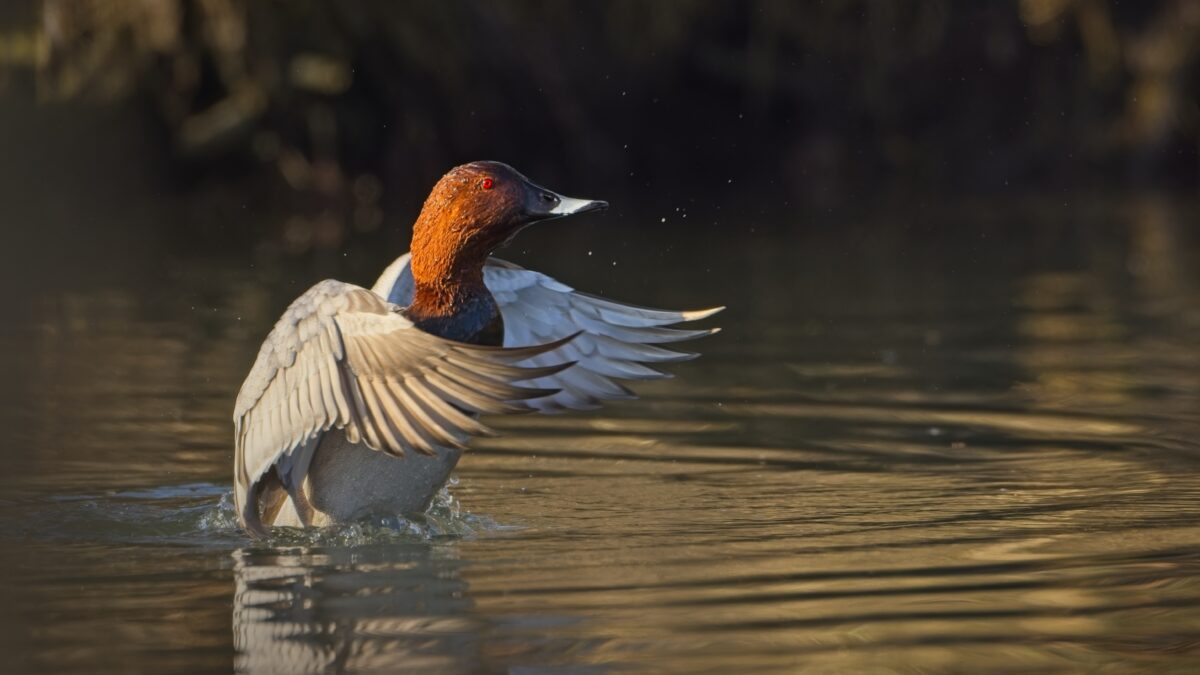
A flagship diving duck of the African-Eurasian Flyway, the Common Pochard (Aythya ferina) depends on healthy wetlands, marshes, and fishponds across Europe. Over recent decades it has suffered major declines driven by habitat loss, wetland mismanagement, pollution, climate change, and hunting pressure. Scientists also observed concerning shifts in the population’s sex ratio, with female numbers declining disproportionately.
Experts who recently developed a population model for the species concluded that a temporary EU-wide hunting moratorium could significantly speed up recovery. This short-term pause is designed to give depleted populations the breathing room needed to stabilise and grow, while EU countries address wider drivers of decline through wetland restoration, improved habitat management, and action on pollution and invasive predators.
Proactive steps for other key species
To build on recent successes, the Task Force has commissioned the development of science-backed recommendations for two further species:
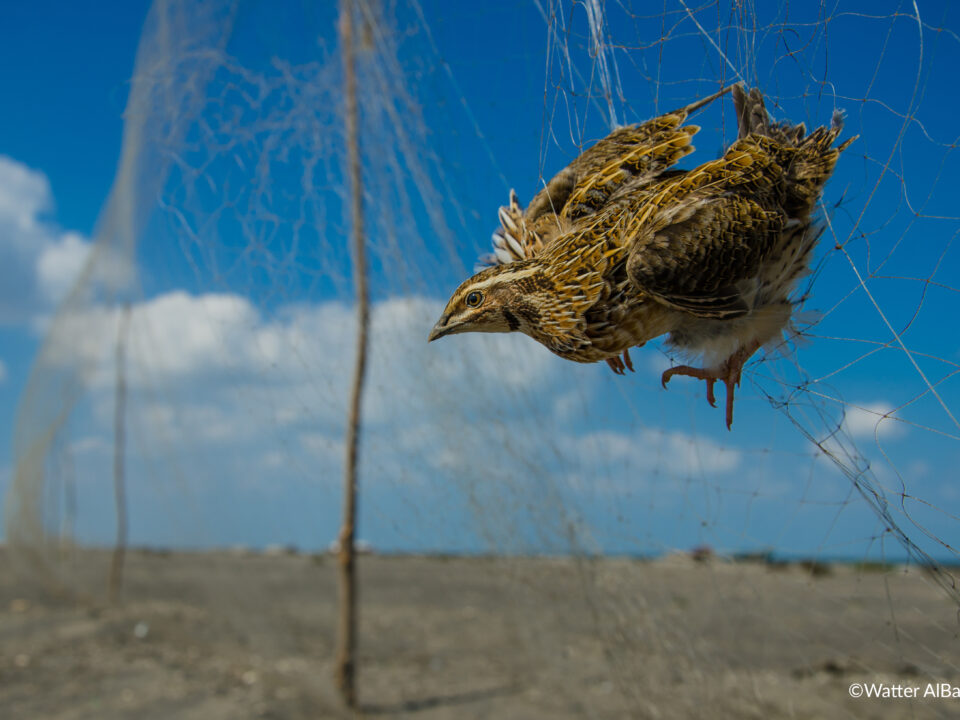
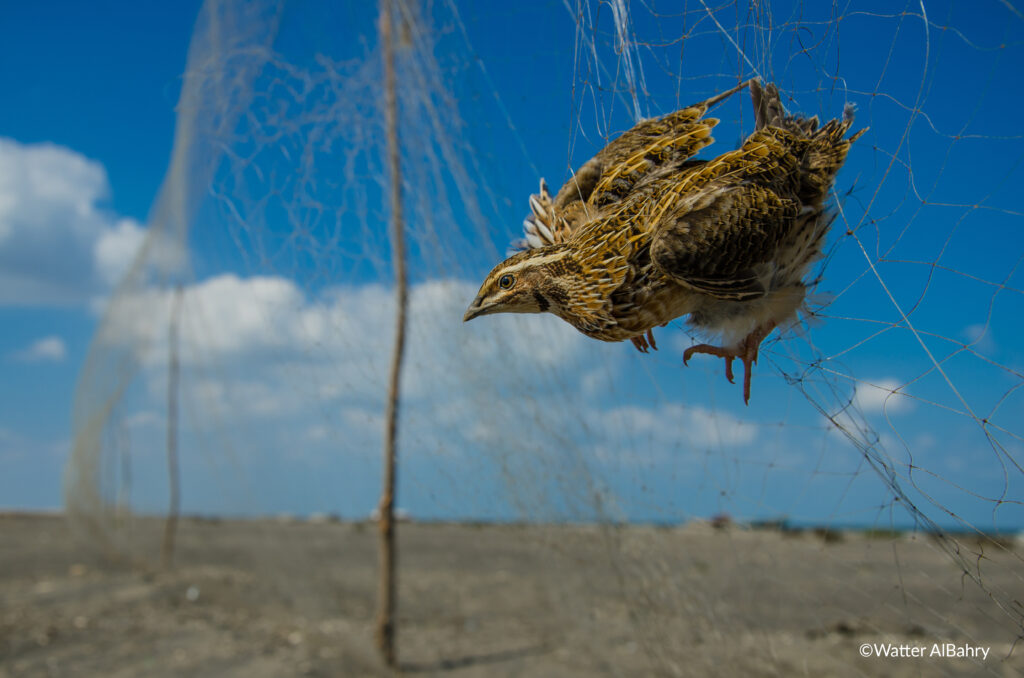
The Common Quail (Coturnix coturnix): a temporary hunting ban, or alternatively a circa 75% reduction in permitted harvest, to give juvenile birds safe passage through their first year and boost overall population productivity.
The Eurasian Wigeon (Mareca penelope): reduced hunting offtake, with vastly improved real-time harvest reporting, so that any future harvests are genuinely sustainable and breeding numbers can stabilise and grow.
Conservation in action across the BirdLife Partnership
BirdLife Partners across Europe are already working to support the recovery of migratory bird populations.
In Bulgaria, the Bulgarian Society for the Protection of Birds (BSPB) is launching a major new LIFE project focused on diving ducks and wetland conservation along the Black Sea–Mediterranean Flyway.
In Spain, SEO/BirdLife continues to advocate for stronger protections for the Common Quail while monitoring legal proceedings around the release of non-native Japanese Quails, which risk threatening native Common Quail populations through genetic pollution.
Across northern Europe, monitoring programmes led by BirdLife Partners continue to provide the population data essential for effective flyway management.
The ultimate goal: healthy wetlands and thriving flyways
Temporary hunting restrictions alone will not save Europe’s migratory birds, but they are important first steps that can reduce pressure on depleted populations and create the conditions for recovery. The long-term solution lies in restoring the ecosystems on which these species depend: marshes, grasslands, fishponds, and floodplains that provide clean water, climate resilience, and biodiversity benefits for people across the continent.
Europe’s migratory birds have shown they can recover when countries act together. The challenge now is to extend that cooperation – combining temporary harvest reductions with the long-term restoration of the wetlands, grasslands, and floodplains these species depend on. The tools and the legal framework are already in place. What comes next depends on whether every country along the flyway is willing to play its part.